ARM PROCESSOR
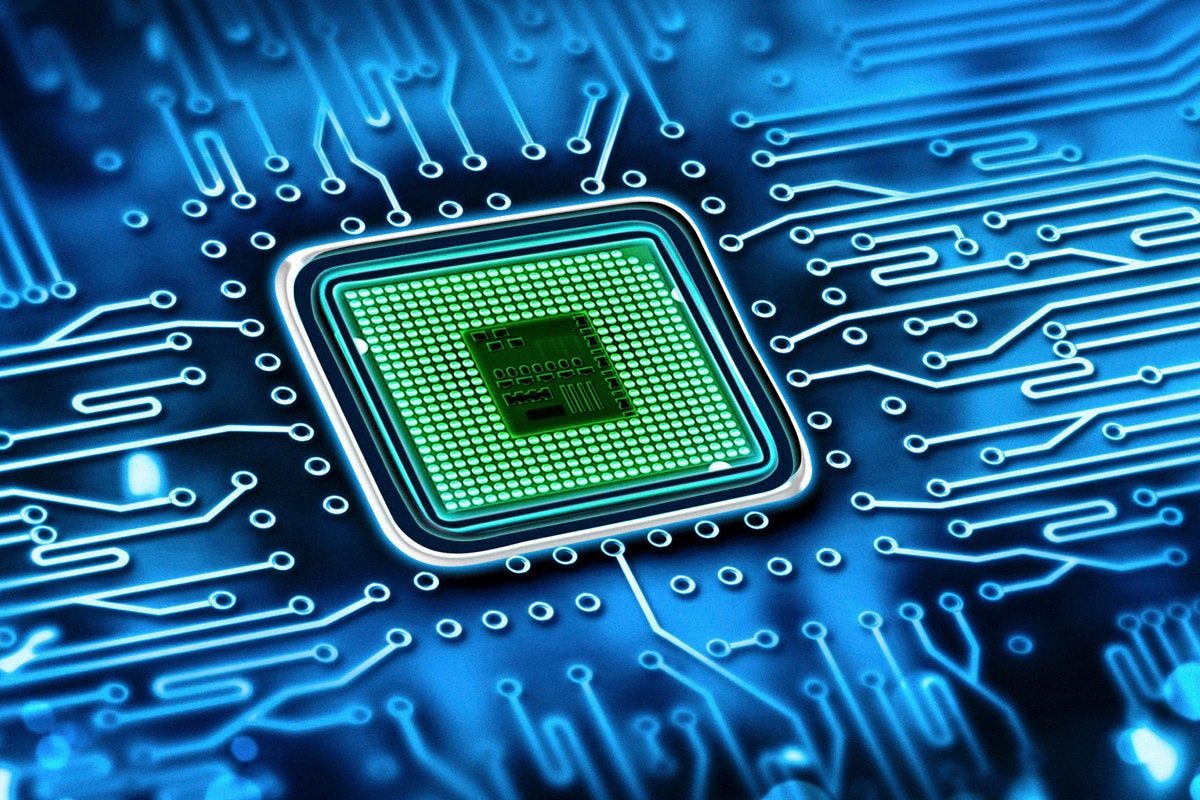
An ARM processor is one of a family of CPU's based on the RISC (reduced instruction set computer) architecture developed by Advanced RISC Machines (ARM).
ARM makes 32-bit and 64-bit RISC multi-core processors. RISC processors are designed to perform a smaller number of types of computer instructions so that they can operate at a higher speed, performing more millions of instructions per second (MIPS). By stripping out unneeded instructions and optimizing pathways, RISC processors provide outstanding performance at a fraction of the power demand of CISC (complex instruction set computing) devices.
ARM processors are extensively used in consumer electronic devices such as smartphones, tablets, multimedia players and other mobile devices, such as wearables. Because of their reduced instruction set, they require fewer transistors, which enables a smaller die size for the integrated circuitry (IC). The ARM processor’s smaller size, reduced complexity and lower power consumption makes them suitable for increasingly miniaturized devices.

- Load/store architecture.
- An orthogonal instruction set.
- Mostly single-cycle execution.
- Enhanced power-saving design.
- 64 and 32-bit execution states for scalable high performance.
- Hardware virtualization support.
APPLICATIONS OF ARM PROCESSOR
| ARM Core | Devices | Products |
|---|---|---|
| ARM1 | ARM1 | ARM Evaluation System second processor for BBC Micro |
| ARM2 | ARM2 | Acorn Archimedes, ChessMachine |
| ARM250 | ARM250 | Acorn Archimedes |
| ARM3 | ARM3 | Acorn Archimedes |
| ARM60 | ARM60 | 3DO Interactive Multiplayer, Zarlink GPS receiver |
| ARM610 | ARM610 | Acorn Risc PC 600, Apple Newton 100 series |
| ARM700 | ARM700 | Acorn Risc PC prototype CPU card |
| ARM710 | ARM710 | Acorn Risc PC 700 |
| ARM710a | ARM7100, ARM 7500 and ARM7500FE | Acorn Risc PC 700, Apple eMate 300, Psion Series 5 (ARM7100), Acorn A7000 (ARM7500), Acorn A7000+ (ARM7500FE), Network Computer (ARM7500FE) |
| ARM7TDMI(-S) | Atmel AT91SAM 7, NXP Semiconductors LPC2xxx and LH7, Actel CoreMP7 | Game Boy Advance, Nintendo DS, Nintendo DSi, Apple iPod, Lego NXT, Juice Box, Garmin Navigation Devices (1990s – early 2000s) |
| ARM710T | Psion Series 5mx, Psion Revo/Revo Plus/Diamond Mako | |
| ARM720T | NXP Semiconductors LH7952x | Zipit Wireless Messenger |
ARCHITECTURE OF ARM PROCESSOR

ADVANTAGES OF USING ARM PROCESSOR
- Thumb instructions take 2 byte each, compared to 4 bytes of A32 instructions.
- In general, T32 produces codes smaller than A32 insturctions. Smaller memory footprint.
- With smaller memory footprint, it takes less space in caches, and may have less I-cache misses compared to A32.
DISADVANTAGES OF USING ARM PROCESSOR
- In Thumb mode, less registers are available, and codes can be less optimized.
- Since less registers are available, registers are more frequently saved to and restored from stack.
- Less instructions are available, it takes a lot more instructions to do the same job with A32.
- More instructions means more power consumption, more heat, and less room for other jobs.
- Instruction can't use predicates. A32 instructions can be conditionally executed, but in thumb mode, this needs to be replaced by branch. More branches impact CPU pipeline and sometimes caches too.
Comments
Post a Comment